
What Beauty Customers Expect From Online Shopping

Written by
Beautycomm Editorial Team

Post date
03 August 2026

Comments
0
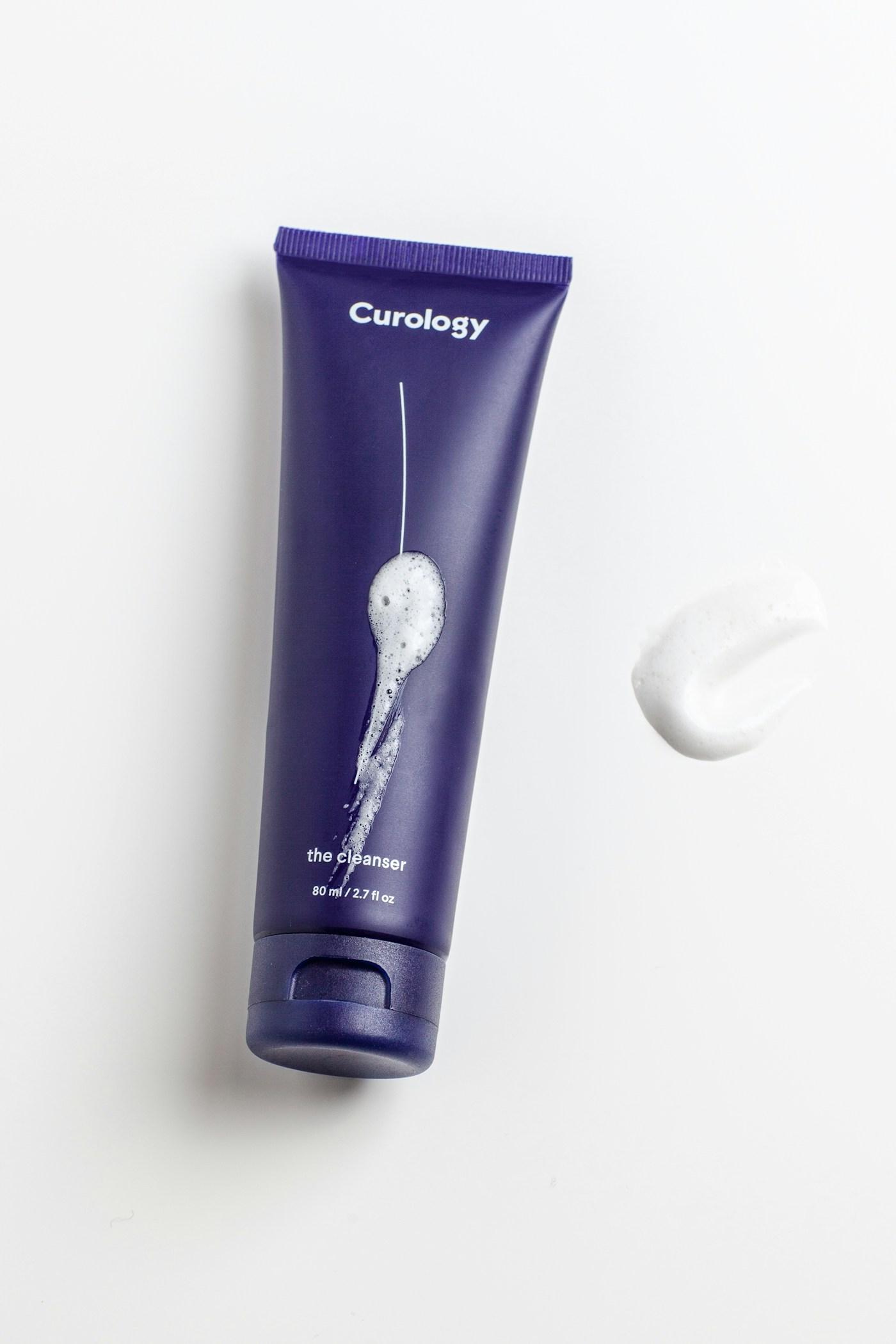


Online beauty shopping asks customers to make decisions without many of the cues they rely on in person. They cannot test a texture, compare shades under store lighting, or ask an associate a quick question. In response, shoppers expect a digital store to do more than display products: it should help them understand their options and feel comfortable choosing one.
That expectation begins before a product page. A customer may discover an item in a social post, search for it later, and return to the store on a phone. A useful experience keeps the details consistent as that journey moves between channels.
Discovery should lead somewhere useful
Search, categories, and filters should reflect the language beauty customers use. Some browse by product type; others start with a concern, ingredient, shade, or routine step. Stores that provide a few clear routes into a catalog make exploration easier without forcing every shopper through the same quiz or promotional page.
Once a customer finds a product, the information should answer practical questions. Clear ingredient lists, directions, size, finish, shade availability, and shipping details help shoppers judge fit. Photography can show packaging and texture, while concise copy explains what distinguishes one product from another. Vague claims and missing details leave customers to search elsewhere for answers.
Trust comes from useful evidence
Reviews and other customer feedback can add context that brand copy cannot. Make reviews easy to scan, distinguish verified purchases where applicable, and preserve a range of experiences rather than presenting every product as universally loved. Social proof is most credible when it helps shoppers decide what might suit them, not when it is used to manufacture urgency.
Trust also depends on consistency. Product claims, return terms, delivery estimates, and support information should be easy to find and agree with what the customer sees at checkout. When a question needs a person, the route to support should be obvious.
The experience has to work on a phone
Mobile shopping is not a smaller desktop page. Product details, shade selectors, filters, and review controls need to be comfortable to use on a narrow screen. Pages should load without making shoppers wait through oversized imagery or disruptive pop-ups, and forms should make errors easy to correct.
Personalized recommendations can help when they reflect a preference or product the customer deliberately selected. They should be relevant, easy to understand, and simple to dismiss. At checkout, customers expect to see the full cost, delivery expectations, and return information before committing. A straightforward payment path completes the experience that discovery began.
Beauty customers are not asking every store to be elaborate. They expect it to be clear, credible, and considerate of their time. Brands that carry that care from the first discovery through purchase make online shopping feel less like a compromise and more like a confident way to explore beauty.
Leave a Comment
Your email address will not be published. Required fields are marked