
Making Beauty Shopping Feel More Personal

Written by
Beautycomm Editorial Team

Post date
10 July 2026

Comments
0
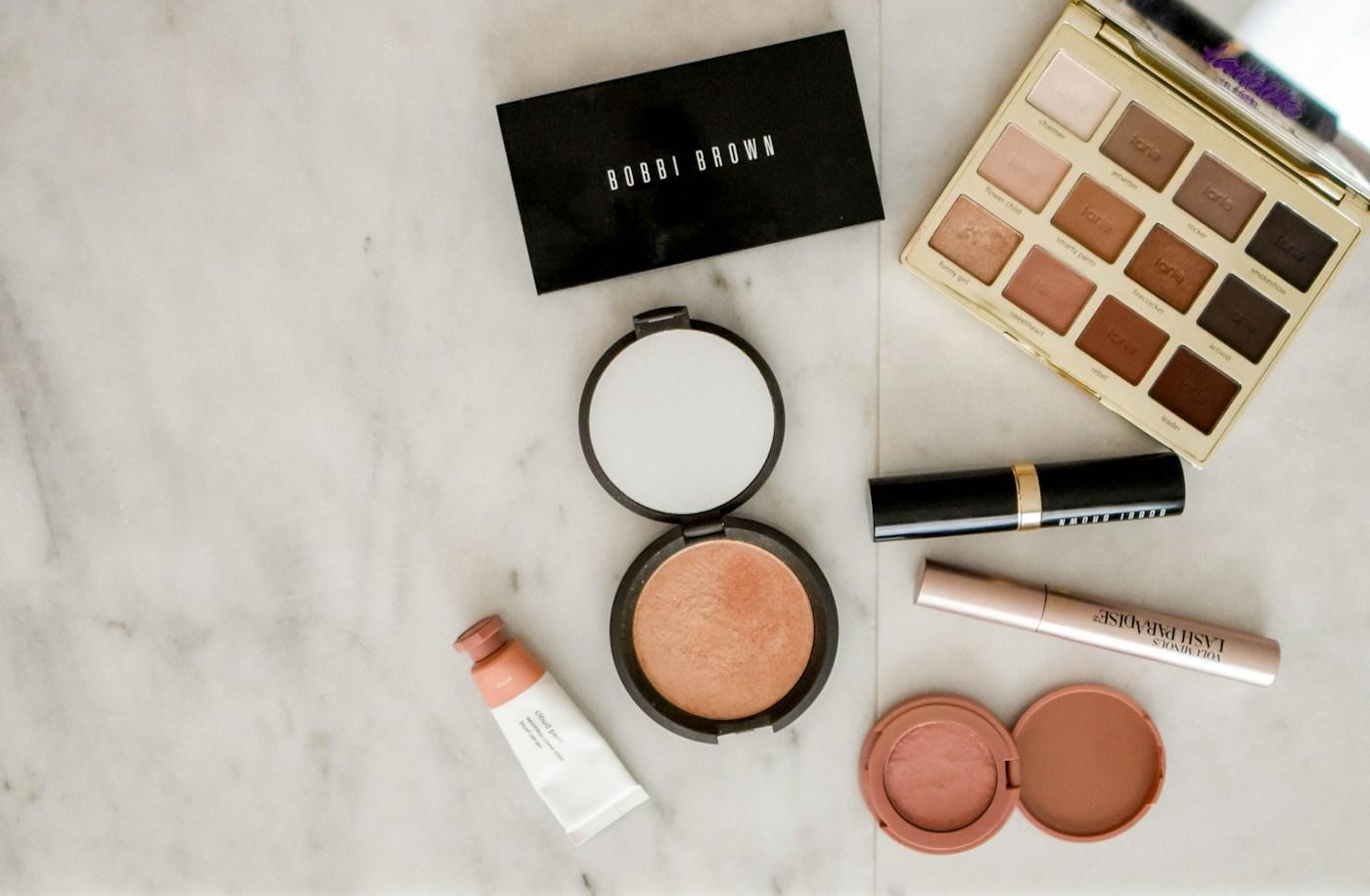


Beauty shopping is personal before a customer ever reaches the checkout. Someone looking for a cleanser may care about fragrance, texture, and how it fits with the rest of a routine. Someone choosing makeup may be comparing finish, shade, coverage, and price at the same time. A digital store feels more helpful when it recognizes those differences instead of presenting the same undifferentiated wall of products to everyone.
Personalization does not require a store to know everything about a shopper. It starts with noticing the preferences customers choose to share and using them to make the next step easier.
Ask about choices that matter
Optional prompts can make a catalog more useful when they connect directly to shopping decisions. A retailer might let a customer select a preferred finish, avoid certain ingredients, choose a routine length, or set a price range. For hair care, texture and styling goals may be more useful than a broad demographic category. The questions should be brief, understandable, and easy to skip or revisit.
Browsing behavior can provide context, but a single click is ambiguous. A shopper may be comparing products for someone else or checking an ingredient rather than expressing a lasting preference. Treat explicit choices as stronger signals, and give customers control over what the store remembers.
Make a large catalog feel navigable
Relevant recommendations are useful when they reduce effort. They can surface fragrance-free alternatives, help compare similar moisturizers, or show a complementary item that fits a routine a customer has already selected. The explanation matters: a suggestion tied to a stated preference feels more considered than an unexplained bestseller carousel.
Search and filters should work together. Customers might begin with a concern or a product type, then narrow by finish, format, shade, or ingredient. Clear labels and consistent product details let shoppers move between those routes without having to learn a new vocabulary for every category. A short, well-matched shortlist is often more useful than another page of nearly identical options.
Help people feel understood, not watched
Personalization can become uncomfortable when it is too aggressive, too certain, or difficult to correct. Avoid implying that a quiz can diagnose a skin concern or guarantee a result. Make it clear why a recommendation appeared, provide alternatives, and let customers reset their preferences or shop without personalized prompts.
The result should feel like a good beauty associate listening, not a store following someone around. When the right product details are easy to find and suggestions reflect a customer’s own priorities, the experience becomes calmer and more confident. That is the value of personalization in beauty commerce: not more technology for its own sake, but a store that helps each shopper find a sensible next step.
Leave a Comment
Your email address will not be published. Required fields are marked